
The legal world runs on trust. Clients trust lawyers with money, secrets, freedom, and sometimes their entire future. That’s what makes it shocking when well known attorneys end up on the wrong side of the law themselves.
Some of these lawyers were once treated like celebrities. They handled massive criminal cases, represented political figures, and built careers that looked untouchable. Then everything fell apart.
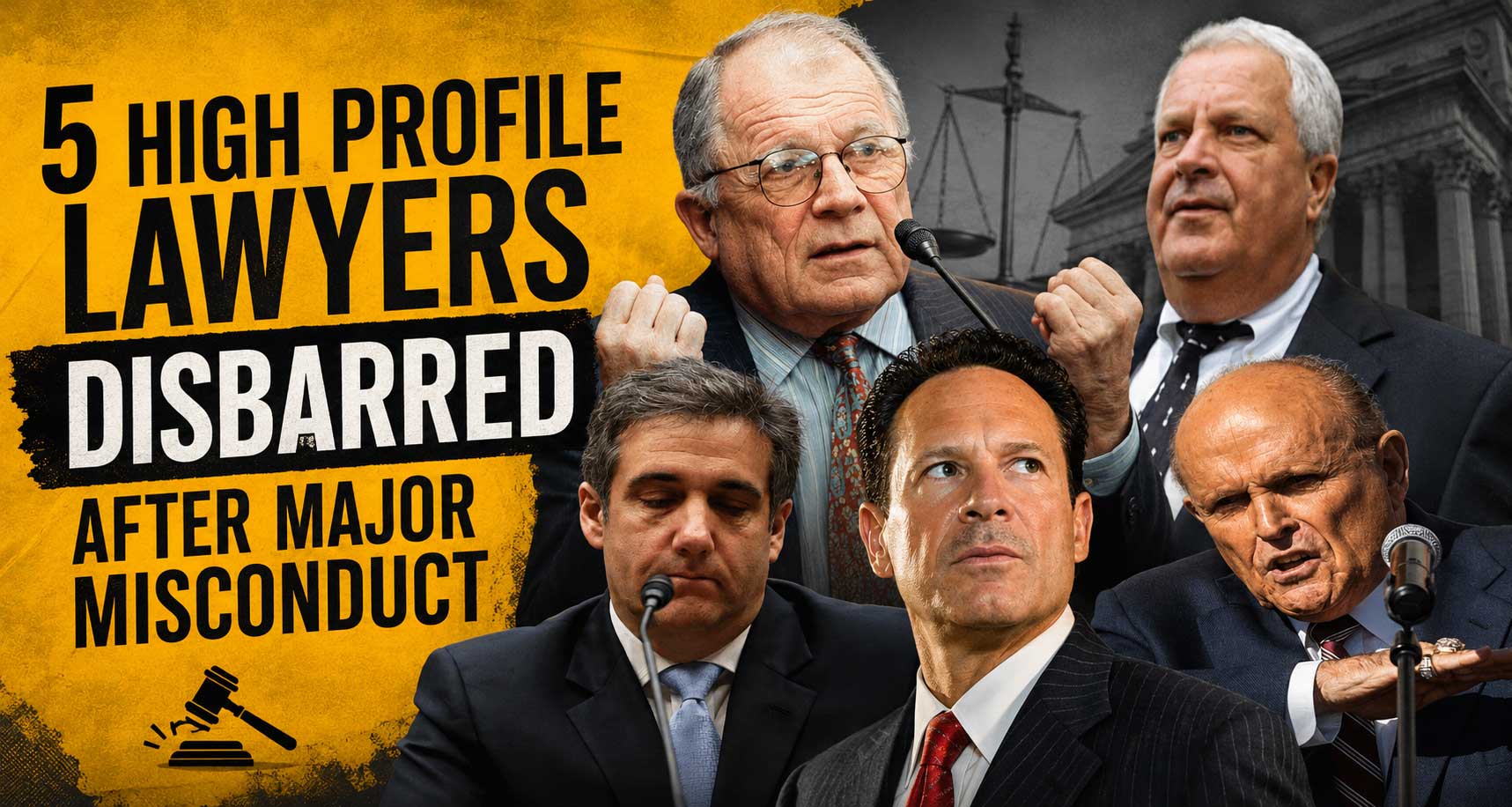
From corruption scandals to fraud cases, these are five lawyers whose careers crashed after serious misconduct allegations.
Mark Ciavarella
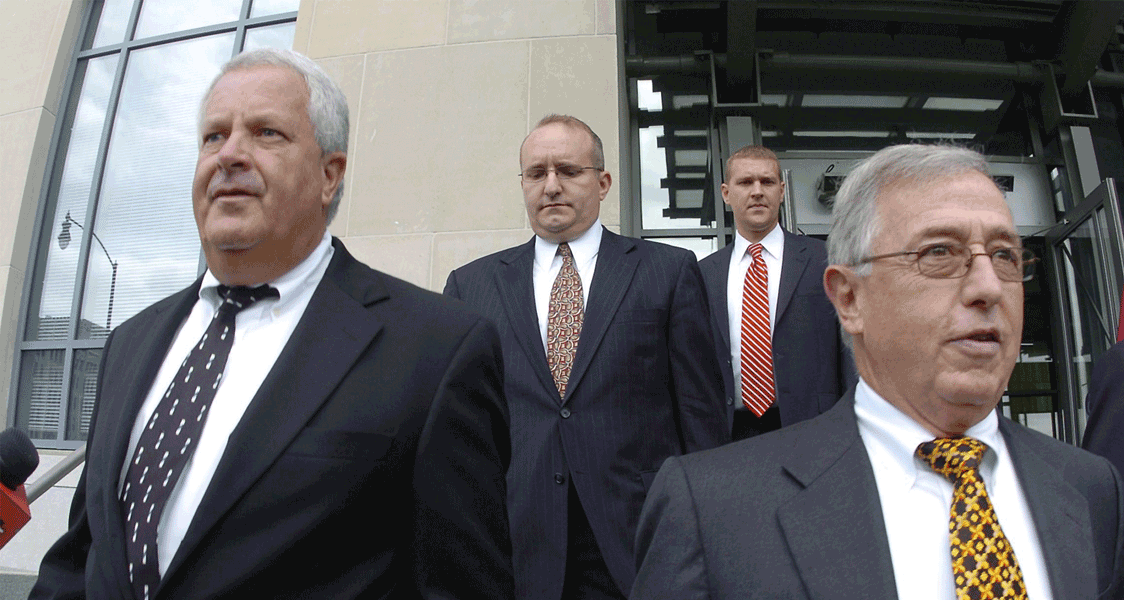
Few legal scandals in America were as disturbing as the “Kids for Cash” case. Mark Ciavarella was a judge in Pennsylvania who became the face of one of the biggest judicial corruption scandals in recent memory. Prosecutors accused him of taking millions in kickbacks from private juvenile detention centers. In return, teenagers were allegedly being sent to detention facilities at an alarming rate.
What made the case even worse was how many of the minors barely had a chance to defend themselves in court. Reports later showed that several kids appeared without proper legal representation. Some were punished harshly for minor incidents that normally would not have resulted in detention.
As the scandal exploded, public outrage followed quickly. Parents, activists, and legal experts questioned how a judge could turn a courtroom into a business opportunity.
Ciavarella was eventually convicted on federal corruption charges in 2011. He later received a lengthy prison sentence and lost his law license. Even years later, the case is still brought up as one of the darkest examples of corruption inside the American justice system.
Paul Bergrin
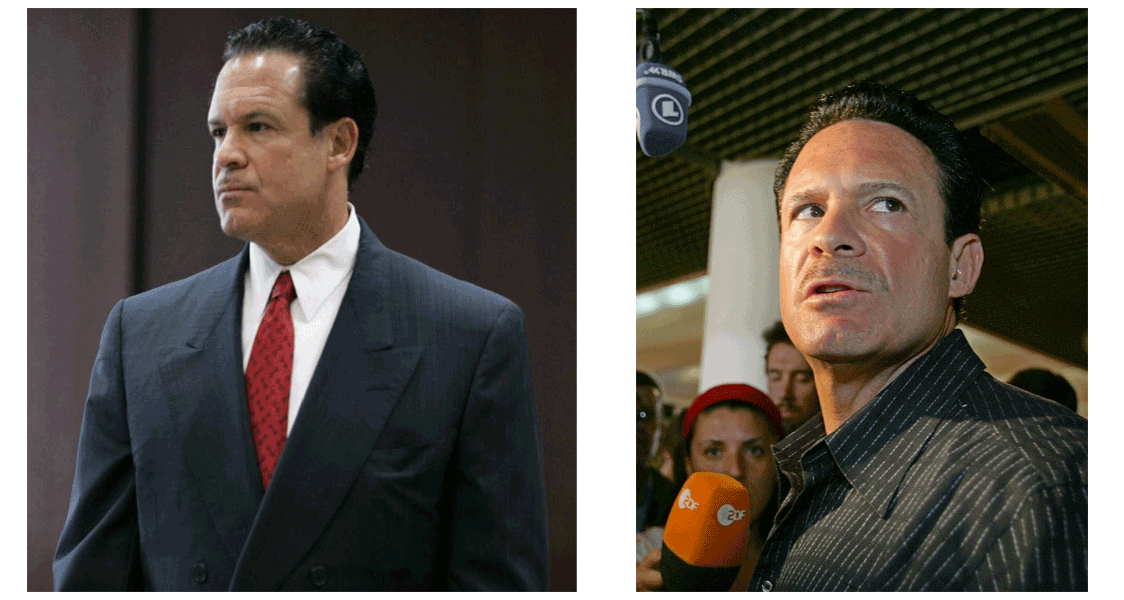
Paul Bergrin’s story almost sounds fictional until you realize it actually happened. Before everything collapsed, Bergrin had a respected career. He worked as a federal prosecutor in New Jersey before becoming a high profile criminal defense attorney. Over time, he started representing gang members, drug traffickers, and organized crime figures.
Then federal investigators claimed he crossed the line completely. Authorities accused Bergrin of helping criminal clients continue illegal operations while he was representing them. Prosecutors alleged he assisted drug networks, protected criminal organizations, and became involved in witness intimidation cases.
One accusation shocked even veteran investigators. Bergrin was accused of revealing the identity of a government informant to gang members. That informant was later murdered.
The case turned into a massive federal prosecution. After years of legal battles, Bergrin was convicted on multiple charges and sentenced to life in prison. His downfall became one of the most extreme examples of a lawyer allegedly becoming part of the criminal world he once fought against.
Michael Cohen
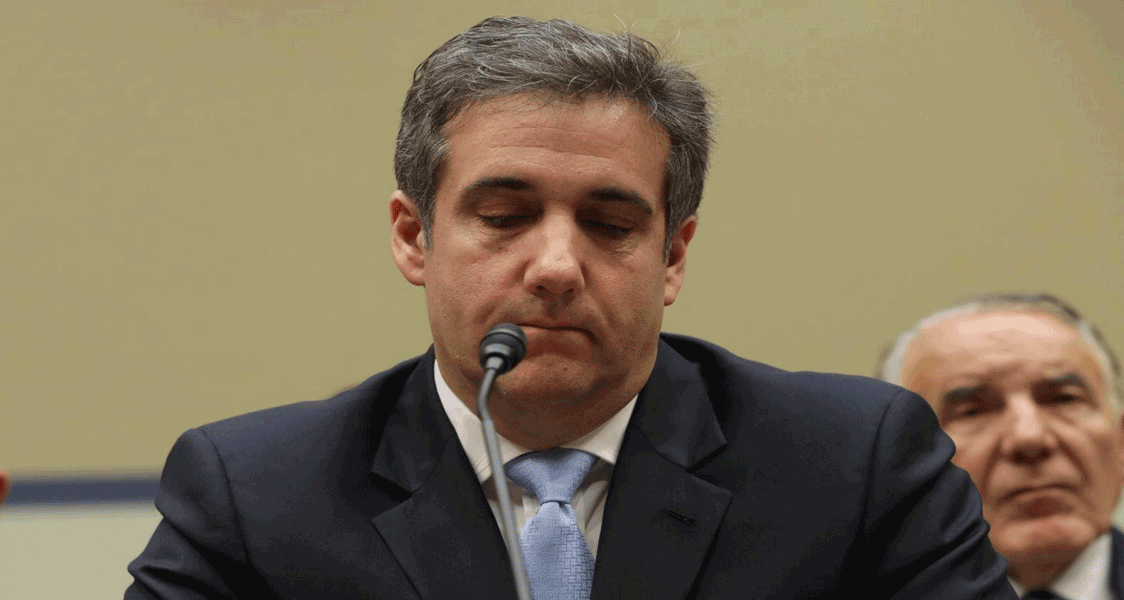
For years, Michael Cohen was known as Donald Trump’s loyal fixer. He handled sensitive matters quietly behind the scenes and built a reputation as someone willing to do whatever was necessary to protect his client. That image eventually became part of his downfall.
Federal investigators later uncovered several crimes connected to Cohen, including tax violations, campaign finance offenses, and lying to Congress. One of the biggest controversies involved hush money payments made during the 2016 presidential election.
Cohen eventually pleaded guilty in federal court and served prison time. In 2019, New York authorities officially disbarred him.
What made Cohen’s story even more dramatic was what happened afterward. He publicly turned against Trump and became a cooperating witness in several political investigations. The same man once viewed as fiercely loyal suddenly became one of Trump’s loudest critics.
His rise and fall turned him into one of the most controversial lawyers in modern American politics.
F.Lee Bailey
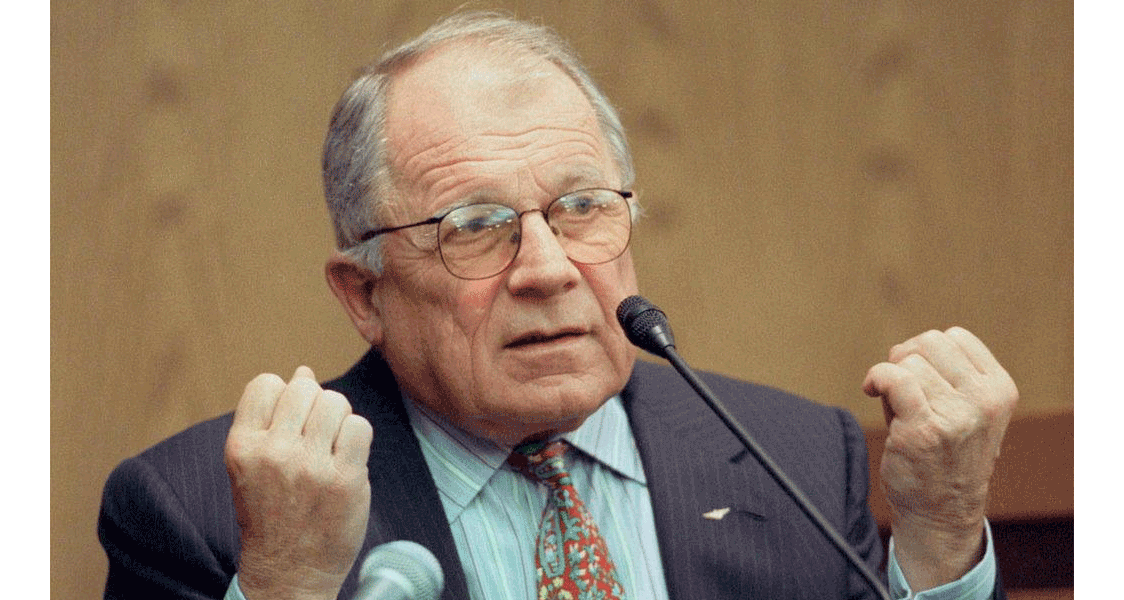
F Lee Bailey was once considered one of the greatest defense lawyers in America. He handled some of the country’s most famous criminal cases and defended high profile names including O.J. Simpson and Patty Hearst. In courtrooms, Bailey had a reputation for being sharp, aggressive, and incredibly difficult to beat.
But despite all that success, his career ended in disgrace.
The trouble centered around his involvement with drug trafficker Claude Duboc. Bailey was accused of mishandling millions of dollars worth of assets connected to the case. Courts later ruled that he improperly handled financial arrangements tied to client property and escrow funds.
Florida disbarred Bailey in 2001. Massachusetts later followed with similar action.
Many people still respect Bailey’s courtroom skills even today. But his disciplinary case became a reminder that talent and fame do not protect lawyers from ethical violations.
Rudy Giuliani
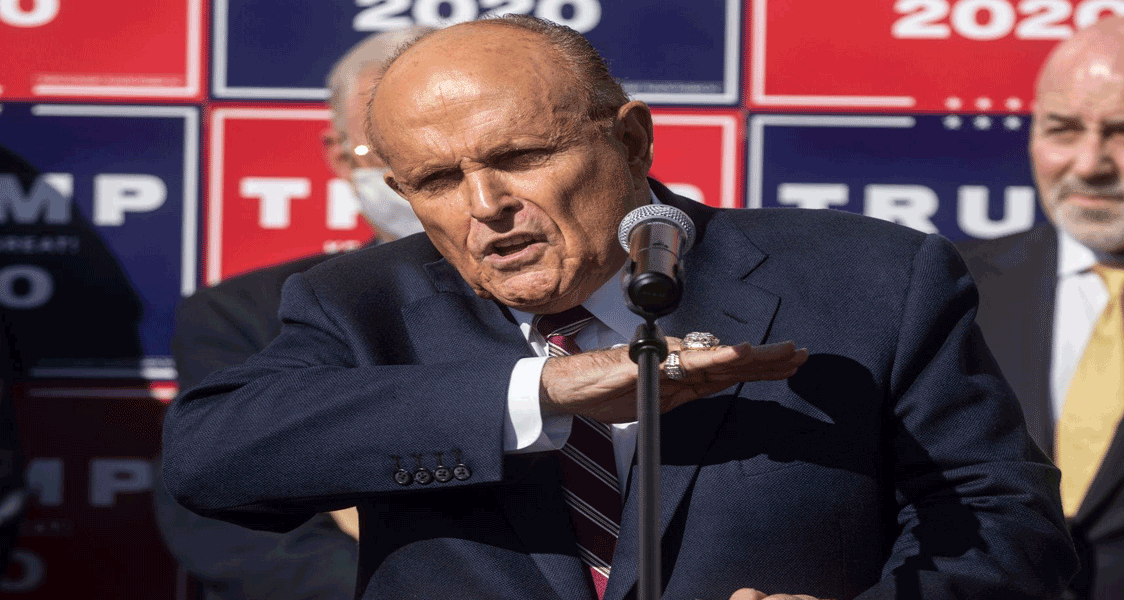
There was a time when Rudy Giuliani was one of the most respected prosecutors in America. After serving as U.S. Attorney in New York, he became nationally famous as Mayor of New York City, especially after the September 11 attacks. Years later, he returned to the spotlight as one of Donald Trump’s closest legal advisers.
His legal troubles grew after the 2020 U.S. Presidential Election.
Courts and disciplinary panels concluded that Giuliani repeatedly pushed false claims about election fraud while trying to challenge the election results. Investigators argued that many of the claims presented in public hearings, interviews, and court filings lacked evidence.
Legal ethics authorities said his actions damaged public trust in the legal system. In 2024, Giuliani was disbarred in New York. Washington D.C. later moved toward similar disciplinary action.
For many legal experts, the case became a major example of how political loyalty can push lawyers beyond ethical boundaries.
Final Thoughts
What makes these stories fascinating is how powerful these lawyers once were before everything collapsed.
Some were celebrity attorneys. Some had political influence. Some were seen as legal masterminds. But in the end, misconduct destroyed careers that took decades to build.
The legal profession gives lawyers enormous responsibility. These cases show what can happen when that responsibility is abused.